Ex Fonte Excerpt: Satan in the Shadows – A Conversation with Philip Ziegler
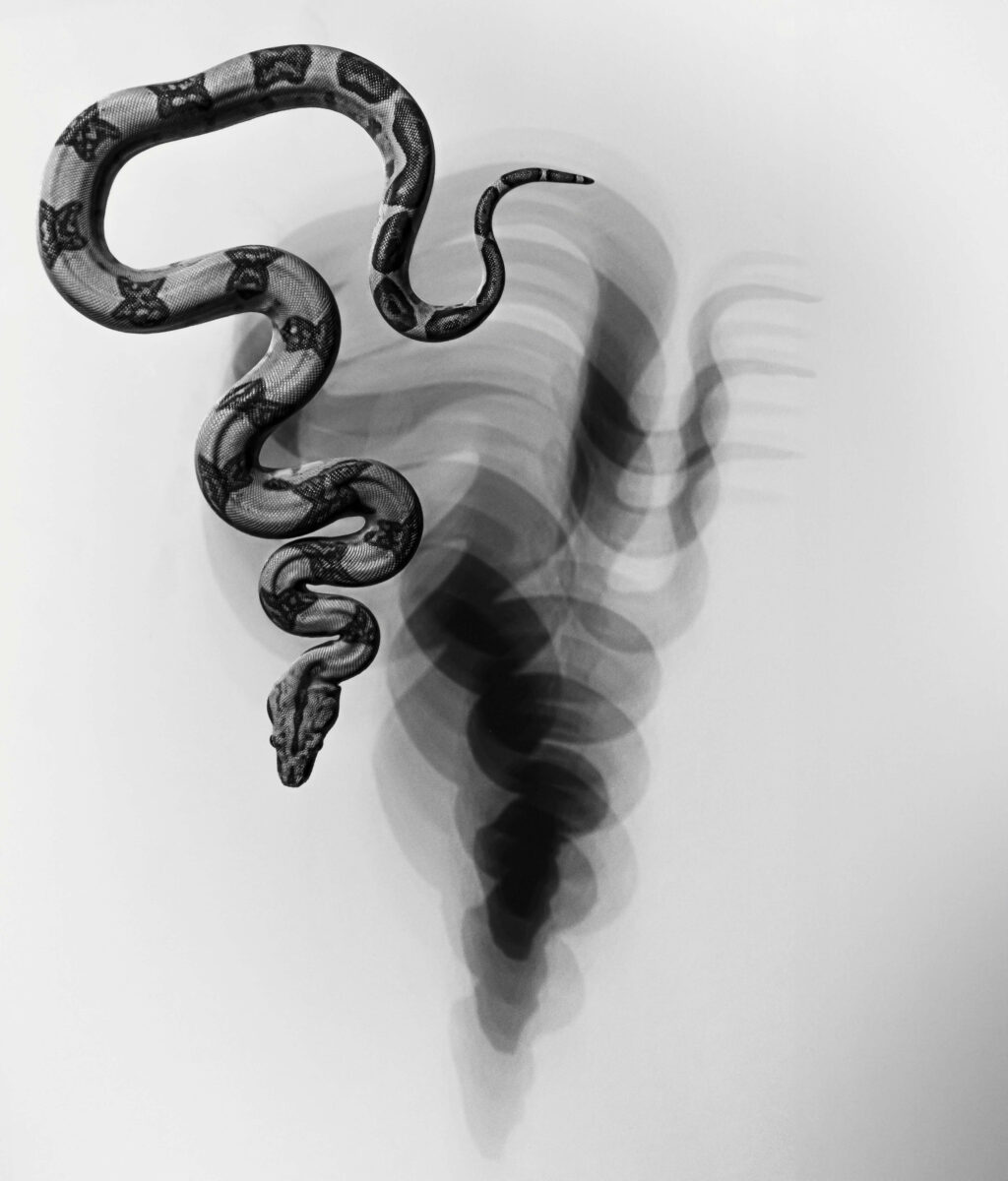
Philip Ziegler, professor of Christian Dogmatics at the University of Aberdeen, discusses with editor-in-chief Wendy Murray his new book God’s Adversary and Ours: A Brief Theology of the Devil (Baylor University Press, 2025) and why the figure of the Devil deserves renewed attention in Reformed theology. The conversation explores the biblical and theological reasons for addressing evil directly, the consequences of neglecting this topic, and how Christian practices serve as means of resistance to the Devil’s schemes.
Ex Fonte: In your book you assert that there has been a lacuna in Reformed theology about diabolology (the study of the Devil). Why have you felt the need to overcome that?
Philip Ziegler: The reasons for taking up the topic are mixed. One of them is, as you say, a sense of a surprising absence of serious theological attention to the figure of the Devil in modern theology in general and Reformed theology in particular.
There was the obvious pressure that is the Reformation itself in the sixteenth century, which was already pitched against superstition. If you ask yourself what falls into the category of “superstition” in the sixteenth and seventeenth centuries, the inflated folk-culture of the Devil, demons, evil spirits, is part of that mix. So, early modern Reformed theology is actively interested in suppressing that material or just ignoring it.
That gets aggravated under the conditions of modernity thanks to the resistance of modern reason to supernatural claims. The sense that the Devil is a mythical hangover from the dark ages impugns the Devil as a topic. So, theologians who want to be both Reformed and modern find themselves having two good reasons to ignore the theme.
But the difficulty—which is part of my motivation for coming back to the theme—is twofold. First, you get a discursive vacuum and into that vacuum can flow all kinds of irresponsible stuff. You cleared it of superstition, but that void is now filled with all kinds of non-theological or sub-theological, undisciplined thinking about the Devil. We would do better to try to speak responsibly into this space rather than leave it vacant.
But the even more fundamental is the clear sense that you cannot read a page of the New Testament without bumping into the figure of the Devil and associated themes: in Paul, in the synoptic Gospels, in John—it’s ubiquitous. Listening to preaching week after week or being involved in preaching myself and reading through the lectionary, you realize first how often even the lectionary—which is often keen to avoid the most awkward bits of the New Testament—still can’t avoid this. Yet, second, rarely is anything said about that figure from the pulpit. There’s a kind of perennial embarrassment about the figure being part of the New Testament witness.
The witness of scripture seems to have the figure of the Devil integrated into it in a way that merits thinking about and taking seriously.
In the book you talk about the threefold characteristics of Christ as the way, the truth, and the life—and how the antagonistic manifestation of the forces of darkness fall into similar but opposing categories. Can you expound on that?
We get the most concrete grasp of the identity and activity of the Devil when we see him in concrete opposition to the work of Christ. Because of the elusive, negative, antithetical power the Devil is, the Devil has no positive identity or reality of its own—it takes its shape precisely and only in opposition to God’s good purposes and actions. The concentration of God’s good purposes and actions in the figure of Christ seems to be the most intense place where that antipathy asserts itself.
It seems to me that the different forms of diabolic opposition really do take concrete shape in opposing these three facets of Christ’s activity: Christ as the way, Christ as the truth, and Christ as the life. Insofar as Christ is each of those things in the outworking of his life and ministry, there’s a specific diabolical opposition to each. If you think about it, temptation opposes “the way,” falsehood opposes the “truth,” and depletion of the possessed opposes “the life.” From this, we get an orientation toward ways the Devil shows up: temptation to take a path not shaped by the messianic path of Christ, resistance to divinely revealed truth, and the vicious depletion of human flourishing.
What would you say to people who feel they are in some way being afflicted by the Devil or by demonic influence or forces?
One of the things the book tries to do is to draw attention to the basic patterns of Christian life as modes of resistance—prayer, baptism, preaching, Eucharist, interpretation of scripture, and so on. This suggests that Christians possess what we call, in another context, the “ordinary means of grace,” which we might also call in this context the “ordinary means of resistance.” All forms and practices of Christian existence participate in what the Gospel of John calls the great exorcism—that is, salvation, Christ’s casting out of the “god of this age.”
The first strategies for resistance are therefore exactly the most ordinary: participation in Christian community, prayer, exposure to preaching, participation in the Supper. These are the ordinary means. The popular character of the dramatic exorcist is interesting, but I’m sure as those engaged in deliverance ministry would stress, the core activities of Christian faith and life are precisely the most important and effective modes of resistance.
Philip Ziegler is ordained to the Order of Ministry of the United Church of Canada and an associated elder of the Church of St. Machar in Old Aberdeen. He currently serves as Trustee of the General Assembly of the Church of Scotland.
 A longer version of this article appears in the current issue of Ex Fonte magazine. Purchase the individual issue or subscribe.