Holy Saturday: The God of Lost Causes
This blog is a part of our Holy Week series.
Prof. Juan Carlos Morales
Now there was a man named Joseph, a member of the Council, a good and upright man, who had not consented to their decision and action. He came from the Judean town of Arimathea, and he himself was waiting for the kingdom of God. Going to Pilate, he asked for Jesus’ body. Then he took it down, wrapped it in linen cloth and placed it in a tomb cut in the rock, one in which no one had yet been laid. It was Preparation Day, and the Sabbath was about to begin. The women who had come with Jesus from Galilee followed Joseph and saw the tomb and how his body was laid in it. Then they went home and prepared spices and perfumes. But they rested on the Sabbath in obedience to the commandment. (Luke 23:50–56)
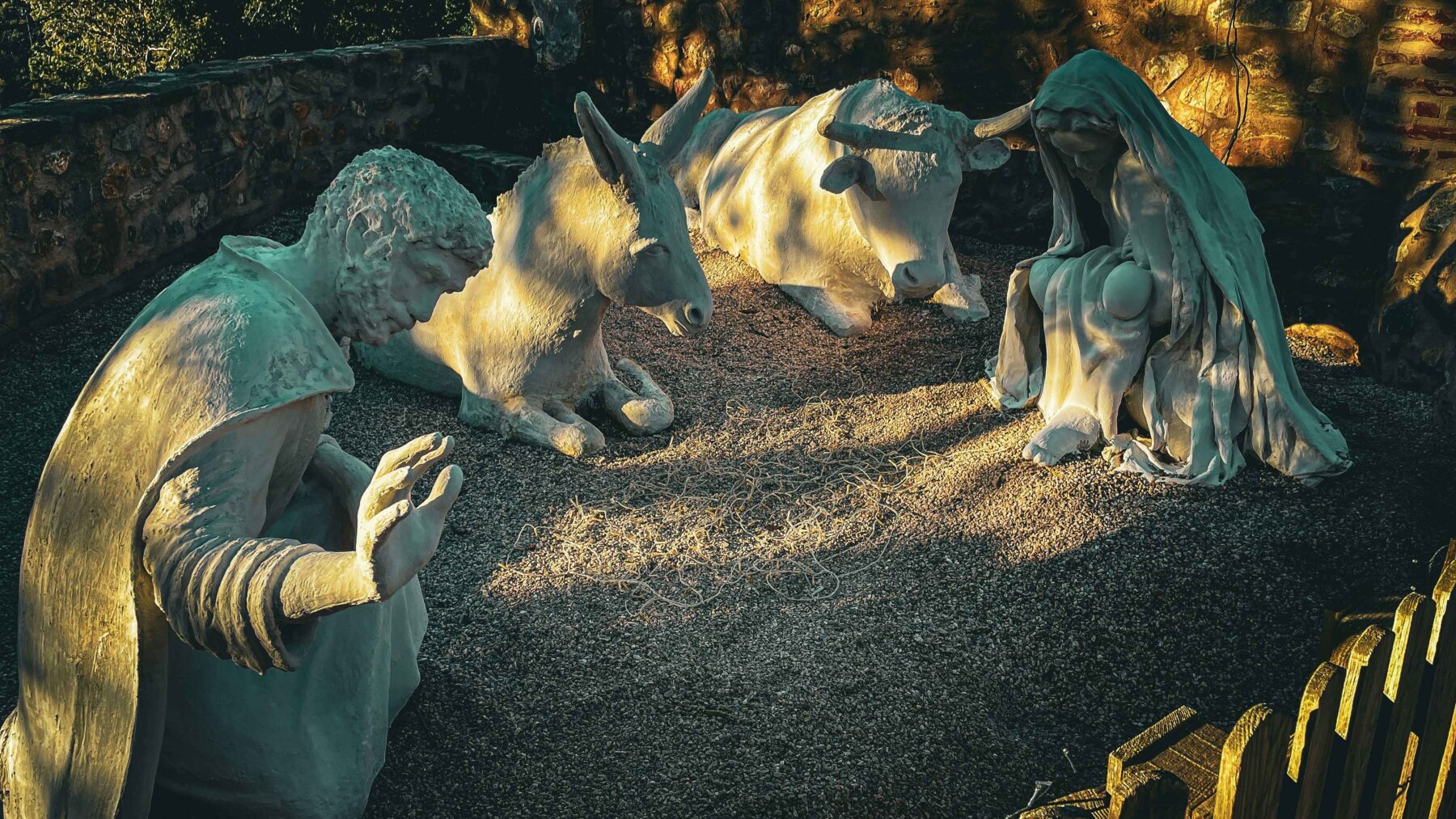
Neither life nor death would have given contemporaries the impression that Jesus would impact world history. After all, Jesus was born of a poor young mother in a smelly barn and executed as a criminal. In between, he preached about the justice of God’s Kingdom in the barrios and the ghettos of Palestine. In the end, he was arrested when a paid informant singled him out. The arrest was followed by a farcical trial. A member of the court and one who waited for the Kingdom, Joseph of Arimathea, was against the prearranged guilty verdict. As a disciple, Joseph had placed his hope in Jesus. After Jesus’ crucifixion, Joseph used his access to the Roman prefect to ask for Jesus’ body in order to give him a just burial. Joseph understood that the Kingdom of God is one of justice and that God’s people are to work for it even when it seems like a lost cause. On his way to the tomb, Galilean women—who were considered second-class citizens in that day—followed him. Along with Joseph, they show us that the hope for a better world transcends social classifications.
The good news is that their hope did not end with Jesus’ death. The strength of Christians to fight against all odds for a more just world remains because Jesus defeated death through the resurrection, demonstrating that he can overcome all evil. Because of this, Christians have the hope to fight for lost causes today. He invites us to join the fight.
Prof. Juan Carlos Morales is adjunct professor of Christian Thought, Co-Mentor (DMin) at Gordon-Conwell Theological Seminary and pastor at Park Slope Christian Tabernacle, Brooklyn, NY.
*
This post first appeared in the devotional, Journey to the Resurrection, published by Gordon-Conwell, April 13 – 20, 2014.